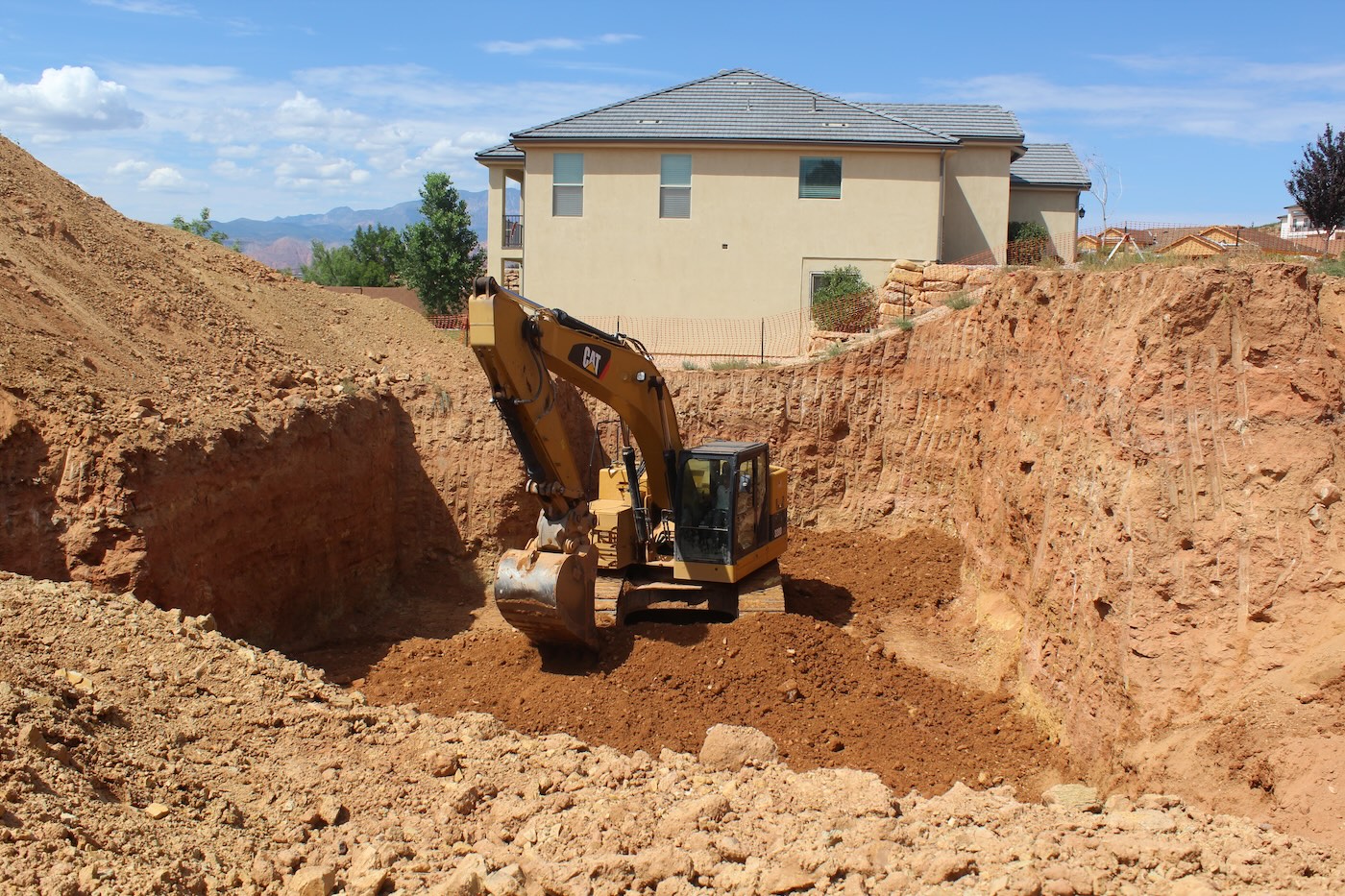
When it comes to laying a strong foundation for any construction project, understanding key site preparation techniques is crucial. One such technique, over-excavation, plays a vital role in ensuring the stability and longevity of structures. But what exactly is over-excavation, and why is it sometimes necessary? In this article, we dive deep into the concept of over-excavation, its applications, and its impact on construction projects.
What Is Over-Excavation?
Over-excavation refers to the process of removing more soil or material from the construction site than what is required for the planned foundation depth. Unlike regular excavation, which involves digging precisely to the foundation level, over-excavation goes deeper or wider to remove unsuitable or weak soil. A geotechnical engineer is often involved in soil testing and evaluating site conditions to provide recommendations for excavation and foundation work.
1.1 Why is Over-Excavation Needed?
Geotechnical engineers conduct soil testing to determine the required depth for over-excavation. This ensures that all unsuitable or weak soil is removed, providing a stable base for construction.
Definition and Purpose
The main goal of over-excavation is to eliminate problematic soils that can compromise structural integrity, such as soft clays, organic matter, or contaminated fill. By removing these, contractors can replace the soil with engineered fill materials that offer superior strength and stability.
Differences from Regular Excavation
Regular excavation focuses on preparing the site exactly to the required foundation level, while over-excavation extends beyond this to address soil quality issues. This proactive step helps avoid future settlement problems and foundation failures.
When Is Over-Excavation Required?
Poor Soil Conditions
If soil testing reveals weak, compressible, or expansive soils, over-excavation is often necessary to reach stable subgrades.
Presence of Organic Matter or Debris
Sites with leftover roots, debris, or organic materials require over-excavation to remove these unstable components.
Structural Load Requirements
Heavy structures or those with special load demands may necessitate over-excavation to ensure the foundation rests on solid, engineered fill that can handle the load.
Building Pads (Foundations and Slabs)
When preparing a construction site for building pads—whether for residential slabs or commercial foundations—over-excavation is often a crucial step. The stability of any structure depends on the quality of the ground beneath it. If soil testing or a geotechnical investigation reveals unsuitable soil, such as loose fill, expansive clay, or soft zones, the area must be dug deeper to remove these materials.
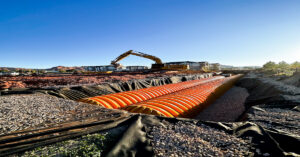
After removing the unsuitable material, contractors replace it with engineered fill, such as compacted gravel or crushed stone, to create a stable, load-bearing surface. This process ensures that the foundation rests on solid ground, minimizing the risk of settlement, cracking, or structural failure over time. Inadequate over-excavation can lead to structural instability, including differential settlement, cracked walls, and even catastrophic failure. Proper compaction and verification testing are essential to confirm that the fill material meets the required load bearing capacity and compaction standards. Over-excavation also supports the stability and safety of walls, especially retaining walls used to support slopes or where retaining structures are needed, helping to prevent soil movement and maintain structural integrity. By investing in thorough over-excavation for building pads, you protect the long-term integrity of your construction project and avoid costly repairs down the line.
Septic Systems and Leach Fields
Over-excavation is also a key consideration when installing septic systems and leach fields. These systems rely on the ability of the native soil to absorb and filter wastewater effectively. If the existing fill contains organic matter, debris, or unsuitable soil, it can lead to poor drainage, system failure, or even contamination of groundwater.
To ensure optimal performance, contractors may need to remove large volumes of unsuitable material and replace it with clean, permeable fill such as sand or gravel. This not only improves drainage but also helps prevent issues like system backups or environmental hazards. Geotechnical engineers often conduct soil borings and testing to determine the appropriate excavation depth and the best type of fill material for the site. Proper over-excavation and backfill placement are essential steps in creating a reliable, long-lasting septic system that meets all safety and environmental standards.
How Over-Excavation Supports Structural Stability
Use of Engineered Fill
After removing unsuitable soil, engineers specify high-quality fill materials such as crushed stone or compacted gravel that provide reliable support.
Compaction Processes
Proper compaction equipment and techniques are applied to densify the fill, improving its load-bearing capacity and minimizing settlement.
Load-Bearing Improvements
Together, removal of poor soil and replacement with engineered fill ensure the foundation supports the building load safely over time.
Common Misconceptions About Over-Excavation
Cost Concerns
Many assume over-excavation dramatically increases project costs, but neglecting it can lead to costly repairs down the road.
Time Delays
While it can extend excavation time slightly, thorough planning minimizes delays and improves overall project efficiency.
Misunderstood Regulations
Over-excavation often aligns with local building codes and OSHA standards, ensuring safe and compliant site preparation.
Cost Implications and Budget Planning
Together, removal of poor soil and replacement with engineered fill ensure the foundation supports the building load safely over time.
Equipment and Techniques Used
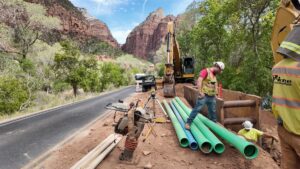
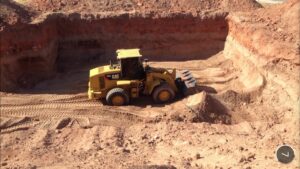
Heavy machinery such as excavators and bulldozers are essential for efficient over-excavation. Proper hauling logistics and backfill equipment ensure the site is prepared optimally for the next construction phase.
Over-Excavation in Residential vs. Commercial Projects
Residential projects typically have smaller scale over-excavation needs with more flexible tolerances, whereas commercial projects demand rigorous soil testing and stricter standards due to heavier load requirements.
Compliance and Safety Considerations
Over-excavation operations must comply with OSHA excavation standards to prevent hazards such as trench collapses. Engineering approvals and site inspections are essential to guarantee safety and structural soundness.
Soil Testing Methods
Before over-excavation, geotechnical engineers conduct soil borings and laboratory testing to evaluate soil properties.
Engineered Fill Materials
Materials like crushed stone, gravel, and processed fill replace excavated soil to improve site stability.
Compaction Equipment Types
Rollers, plate compactors, and vibratory equipment are used to compact fill materials effectively.
For professional Over-Excavation Services tailored to your project needs, Prime Excavating offers expert solutions ensuring your foundation is built on solid ground.
Explore more about Site Grading Importance and how it complements over-excavation for a safe, level construction site.
Whether your project is Residential or Commercial, we bring years of experience and proven methods, showcased in our About Page with detailed project highlights.
For further reading, check resources from the National Institute of Building Sciences and the Geo-Institute of ASCE.