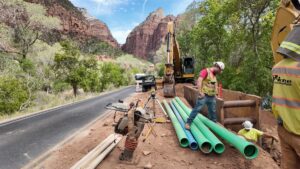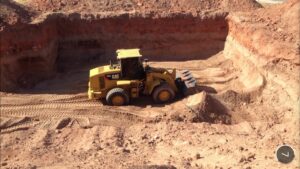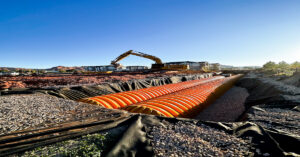
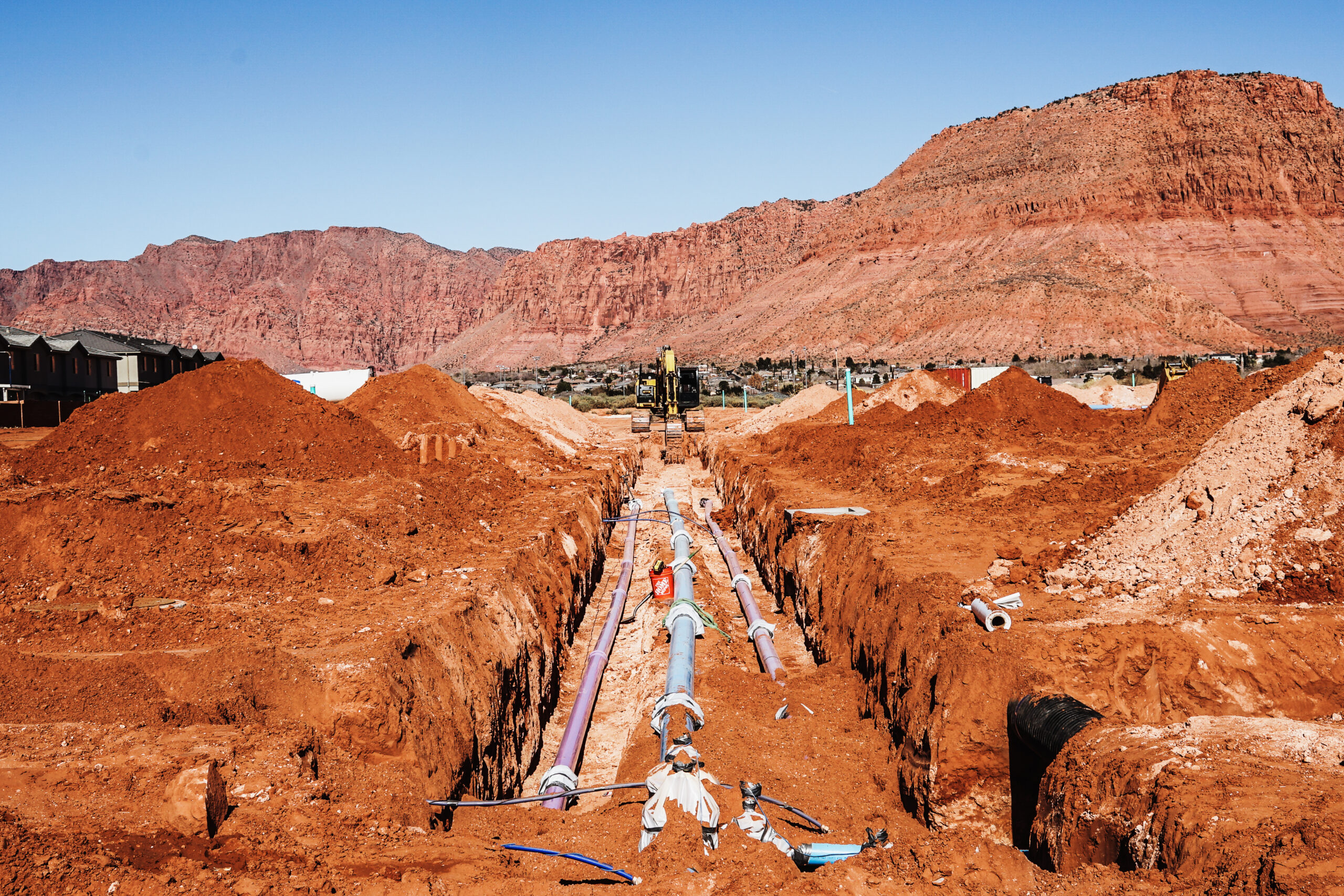
Underground utility installation is the backbone of reliable water, sewer, storm, electric, gas, internet, and fiber networks in growing communities like St. George, Hurricane, and Washington, UT, supporting essential services for buildings and ensuring their safe, efficient operation. These installations are vital for providing electricity and internet connectivity, which are critical for modern buildings’ safety, water supply, and operational continuity.
Done right, it prevents outages, protects crews and the public, and delivers the benefit of improved safety, reliability, and operational continuity for buildings. It also minimizes rework, resulting in long-term cost savings, as underground systems degrade more slowly than above-ground installations and require less frequent maintenance.
From planning to restoration, standardizing the process keeps projects on schedule and compliant across Washington County. A skilled team is essential to ensure project success and safety throughout every phase.
Proper underground utility installation is crucial for avoiding costly repairs, service disruptions, and safety risks, while also increasing property value by meeting current functional and safety standards expected in commercial developments. Additionally, underground utility installation eliminates many of the risks associated with overhead and exposed systems, improving site safety.
For immediate help or estimates, see our underground utility installation.
Understanding utility installation requirements
Common utility types in Southern Utah
- Potable water distribution and services
- Sanitary sewer (gravity and force mains)
- Storm drainage systems and culverts
Storm drainage systems manage rainwater runoff, directing excess water away from roads, buildings, and landscapes to protect them from flooding and erosion. - Natural gas distribution
- Electric primary/secondary and lighting
Electrical connections, including wiring, grounding, and conduit, must follow NEC guidelines to ensure safe and effective underground utility systems. - Telecom and fiber optics
Duct banks serve as underground pathways that house electrical and communication cables, providing protection and organization. - Reclaimed water/irrigation
- Security systems
Underground utility installation supports security systems by reducing electromagnetic interference, ensuring continuous operation and data integrity for security infrastructure.
Key preconditions for approval
- Engineered plan sets, geotechnical report, and a traffic control plan
- Right-of-way permits for work in public streets/easements
- Stormwater compliance for larger disturbances (see Compliance and Permitting)
- Utility coordination to confirm separations, crossings, and tie-ins
- Pressure tests must be conducted on water and gas lines to check for leaks before backfilling.
- Electrically detectable location devices, tracer wires, or locator tape must be installed alongside new pipes.
Pre-installation site assessments
Utility locating and verification
- Start with 811 locates, coordinate timing with each utility owner, and align with Common Ground Alliance best practices.
- Verify marks using EM locators and GPR; pothole critical crossings and tie-ins before trenching or HDD.
- Record offsets, depths, and separations; incorporate conflict resolutions into the field drawings. Tie the planning and access steps into our practical site preparation guide.
Soils and terrain in Washington County
- Expect caliche, collapsible sands, and expansive clays; soil class dictates trench protection and compaction targets.
- Check groundwater, slopes, and adjacent structures to set trench width, bedding, and any dewatering needs.
- Protect pavement edges and foundations with proper benching/shoring and spoil setbacks.
Utility color codes (APWA quick reference)
- Red: Electric power
- Orange: Communications/fiber
- Yellow: Gas/oil/steam
- Green: Sewer/drain
- Blue: Potable water
- Purple: Reclaimed/irrigation
- Pink: Survey markings
- White: Proposed excavation
- Soil conductivity and corrosio
Soil conductivity and corrosion
- In conductive or corrosive soils, use protective wraps/linings, dielectric isolation, and cathodic protection for metallic systems.
- Plan test stations, anodes, and bonding strategies where stray current is possible; coordinate with utility owners on monitoring.
Trenching and shoring safety standards
Field rules that save time and lives
- Trenching is high‑risk—follow OSHA trenching safety for protective systems, access/egress, and daily inspections.
- Provide protective systems at 5 feet and deeper per OSHA 29 CFR 1926 Subpart P.
- Maintain spoil setbacks of 2+ feet, control water, and inspect daily and after weather events.
Choosing effective protection systems
- Select sloping/benching, trench shields, or hydraulic shoring based on soil class and trench geometry.
- Use exclusion zones, spotters, and clear communications around lifts and excavator swing.
- Empower a competent person to adjust protection and stop work if conditions change.
Helpful resources
Utility material selection
By utility type
- Water: PVC, HDPE, or ductile iron per pressure class; tracer wire on non-metallic mains/services; thrust restraint at bends/tees.
- Sewer/storm: SDR PVC for gravity; RCP or HDPE for storm; watertight joints where specified; proper bedding for support and alignment.
- Electric/fiber: Listed PVC/HDPE conduit, correct sweeps and vault ratings, pull strings, and required separations.
Corrosion resistance and longevity
- Use linings, coatings, and wrapped joints; specify stainless or coated hardware in vaults/boxes.
- Consider restrained gaskets and restrained joints for pressure lines; design for cathodic protection where required.
Pipe joint sealing and testing
- Pressure mains: hydrostatic pressure and leakage testing with documented charts.
- Gravity sewer: low-pressure air tests, vacuum tests for manholes, and deflection/mandrel checks.
- Conduits: swab/mandrel runs, labeling of vaults/conduits, and tracer verification.
Equipment and technology used
Open-cut trenching and HDD
- Open cut is efficient in greenfield corridors and wide easements; rock trenchers or hammers may be needed in caliche.
- Horizontal Directional Drilling (HDD) minimizes surface disruption for roadway/driveway/waterway crossings; validate clearances with potholing.
Detection and digital as-builts
- Combine EM/GPR with potholing to avoid damages and confirm minimum separations.
- Capture as-builts with GPS/GNSS for high accuracy; deliver GIS-ready files to municipalities for faster acceptance and better asset management. For end-to-end delivery and restoration, rely on our broader excavation and site services.
Backfill and restoration protocols
Compaction and bedding
- Use specified bedding and pipe zone materials; place uniform lifts; compact to target density.
- Adjust moisture to achieve compaction; consider controlled density fill (CDF) beneath pavements or in narrow trenches where required. Coordinate hauling for import bedding and export spoils to keep corridors clean.
Surface restoration
- Sawcut, mill, and pave-back per city details; match thickness, joints, and surface texture.
- Restore landscaping and irrigation; maintain erosion controls and street sweeping through final stabilization. Where grades change, integrate engineered retaining walls to stabilize slopes and manage drainage.
Compliance and permitting
Local and state processes
- Expect plan approvals, right-of-way permits, traffic control acceptance, and stormwater compliance for larger disturbances.
- Projects disturbing one acre or more typically require a Utah Construction General Permit (CGP), a site-specific SWPPP, and a Notice of Intent (NOI) prior to earthwork.
Inspection checkpoints
- Schedule bedding/pipe zone checks, joint and restraint verification, tracer continuity checks, and pressure/air/deflection tests.
- Provide compaction reports, test logs, and as-builts with restoration documentation for final acceptance. Have questions on NOI/ROW timing or inspection windows? Contact Prime Excavating before submittal.
Utility installation timeline and cost factors
Budgeting tips
- Include contingencies for rock excavation, dewatering, traffic control, and third‑party testing/inspection.
- Verify appurtenances (valves, fittings, manholes, vaults) and confirm long‑lead materials early.
Scheduling logistics
- Sequence: locates → potholing → trench/HDD → installation → testing → restoration → as‑builts and acceptance.
- Align with municipal inspection calendars, school/commuter peaks, and seasonal storm patterns to reduce idle time. For sequencing examples and site prep pointers, see our residential excavation techniques.
Open‑cut vs HDD at a glance
Open‑Cut Trenching
- Best for: Greenfield routes, wide ROWs, shallow utilities
- Advantages: Direct installation, easy inspection/repair, simpler logistics
- Considerations: Traffic impacts, larger restoration scope, potential dewatering
Horizontal Directional Drilling (HDD)
- Best for: Road/driveway/waterway crossings, sensitive surfaces
- Advantages: Minimal surface impact, faster restoration
- Considerations: Requires potholing for clearance, specialized crews, drilling fluid management
Maintenance and repair
Regular maintenance and timely repair of underground utilities are essential for ensuring the reliability and safety of critical infrastructure in any commercial development. Installing underground utilities is only the first step—ongoing care is crucial to prevent safety risks, service disruptions, and costly delays that can impact both property owners and the wider community.
A key part of the maintenance and repair process is utility locating, which helps accurately identify the position of existing infrastructure such as gas lines, sewer lines, and water and sewer lines before any work begins. This step is vital for protecting both workers and essential systems, reducing the risk of accidental damage during repairs or upgrades. By prioritizing maintenance and repair, property owners and utility providers can extend the lifespan of underground utilities, maintain compliance with safety standards, and ensure that essential services remain uninterrupted.
Routine inspection schedules
Establishing routine inspection schedules is a proactive way to monitor the condition of underground utilities, including sewer lines, water and sewer lines, and gas lines. Regular inspections help detect potential issues early, allowing for timely intervention before minor problems escalate into major failures. This approach not only reduces repair costs but also minimizes the risk of safety hazards and service interruptions.
Utility providers should collaborate closely with commercial developers to design inspection schedules that address the unique requirements of each project. By tailoring inspection routines to the specific types of utilities and the demands of the site, stakeholders can better manage risk, ensure regulatory compliance, and maintain the long-term integrity of underground infrastructure.
Common repair techniques
When it comes to repairing underground utilities, modern techniques such as trenchless repair, pipe bursting, and slip lining have become industry standards. These methods are particularly effective for addressing issues in gas lines, sewer lines, and water and sewer lines, as they allow for targeted repairs with minimal surface disruption.
Utility installation companies equipped with advanced tools and skilled crews can perform these repairs efficiently, reducing downtime and limiting the impact on surrounding commercial developments. By utilizing the right equipment and repair strategies, contractors can address safety risks quickly and restore essential services with minimal risk to workers and the public.
Future-proofing underground utilities
Future-proofing underground utilities is a critical step in ensuring that essential systems can adapt to the evolving needs of commercial developments. Effective utility installation goes beyond meeting current demands—it requires careful planning to accommodate future upgrades, expansions, and changes in technology. Adhering to local regulations and federal codes during installation is essential for long-term compliance and reliability.
By considering future requirements from the outset, developers and utility providers can avoid costly rework, reduce the risk of service disruptions, and maximize the long-term value of their infrastructure investments.
Planning for upgrades and expansions
Strategic planning for upgrades and expansions is key to supporting the growth of commercial projects and ensuring the continued efficiency of underground utilities. This process involves close coordination between utility providers, contractors, and commercial developers to address factors such as existing infrastructure, traffic zones, and landscaping. Effective utility coordination helps streamline installation, minimize costly rework, and ensure that all systems are prepared for future expansion.
Incorporating smart technologies—such as sensors and automated monitoring systems—can further enhance the performance and efficiency of underground utilities, reducing waste and supporting sustainable development. Exploring innovative materials and installation methods, like trenchless technologies, can also help minimize environmental impact and disruption to commercial sites.
By prioritizing future-proofing and comprehensive planning, stakeholders can create resilient, efficient, and adaptable utility systems that support successful projects and long-term community growth.
FAQs
What safety rules govern trenching for underground utilities?
OSHA’s excavation standards require protective systems in trenches 5 feet and deeper, safe access in trenches 4 feet and deeper, daily competent‑person inspections, spoil setbacks, and controls for water and falling loads. See OSHA trenching safety.
How are existing utilities identified before digging?
Begin with 811 utility locates, verify marks using EM locators and GPR, and pothole critical crossings and tie‑ins to confirm depth/alignment before trenching or HDD.
Which pipe materials perform best locally?
PVC/HDPE/ductile iron for water (per pressure class), SDR PVC for gravity sewer, RCP/HDPE for storm, and listed conduit for electric/fiber; add coatings/wraps and cathodic protection in corrosive soils.
What inspections are required before acceptance?
Expect trench/bedding checks, thrust restraint verification, tracer wire continuity, pressure/leakage tests (water/force mains), air/deflection tests (gravity sewer), compaction density testing, and final restoration inspection.
Do projects need stormwater permits in Washington County cities?
Disturbances of one acre or more typically require a Utah CGP, a site‑specific SWPPP, and an NOI before earthwork; many municipalities offer templates and checklists.
How can schedules and budgets avoid overruns?
Hold utility coordination meetings at 30/60% design, include contingencies for rock, dewatering, and traffic control, plan inspection/test windows, and account for long‑lead items like manholes and specialty valves.
Call to action
Need safe, efficient underground utility installation in St. George, Hurricane, or Washington?
Learn more about the story and mission of Prime Excavating, Inc.…