Starting any new construction project without proper site grading is like building a house on sand. Grading in construction refers to the process of reshaping land, adjusting slopes, and establishing proper elevation for drainage, stability, and site preparation. Architectural grading and land grading are both processes that reshape land contours for construction, focusing on drainage, stability, and preparing a level base for building foundations, roads, or landscaping features. It’s the critical first step that ensures a stable foundation, effective water drainage, and long-term structural integrity. Whether you’re developing residential lots or large-scale commercial infrastructure, professional grading is essential to the success of your project.
Grading is essential for every construction project as it keeps the site stable, dry, and ready to support safe, long-lasting structures.
What Is Site Grading?
Site grading is the process of leveling and shaping land to meet the needs of a construction project. A site grading plan is developed to guide the process, using contour lines to visually represent elevation changes and ground levels across the site.
It’s not just about flattening land — it involves precise elevation adjustments, slope planning, and soil preparation to create a build-ready surface. The grading process starts with a detailed look at the land, including soil type, slope, and natural drainage. The first step in developing a grading strategy is completing a topographic survey of the land. Grading strategies, typically developed by civil engineers, depend on local laws, the project’s needs, the land’s shape, and the desired outcome.
Common Types of Site Grading:
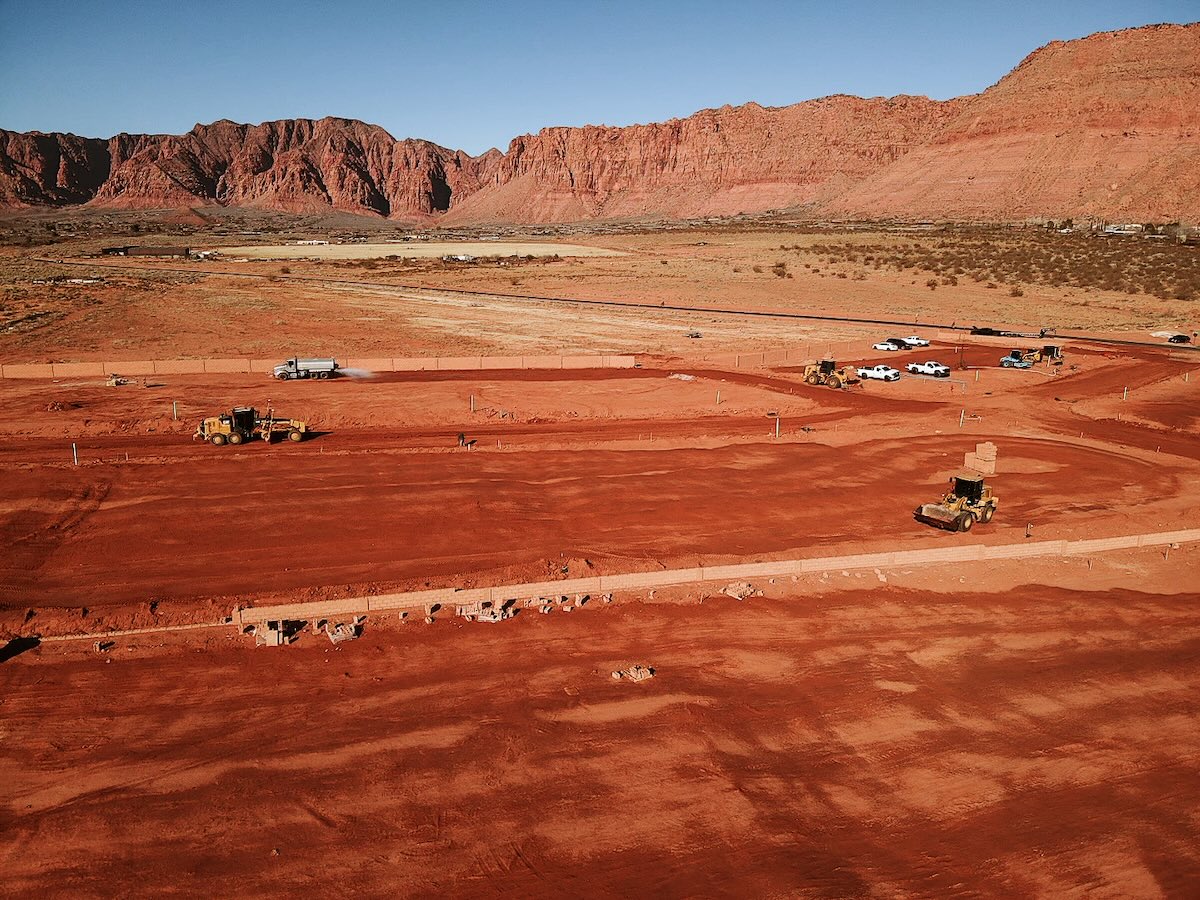
- Rough Grading: Establishes the basic contour and general shape and slope of the land. It is the first phase of grading, during which heavy machinery removes rocks, debris, and uneven soil.
- Finish Grading: Done after rough grading to refine the surface and ensure proper water flow. It involves final surface smoothing before construction or landscaping.
- Topsoil Spreading: Adds nutrient-rich soil to prepare for vegetation or turf.
- Cut and Fill: Balances soil by removing excess from high areas (cut) and performing fill work in low areas to achieve desired land contours. Earthwork estimates are used to determine the quantity of material to be excavated or added for accurate planning.
Earthmoving in grading uses bulldozers and excavators to move large amounts of soil, creating the general shape for drainage and foundation preparation.
Construction Site Preparation
Before any construction project can move forward, thorough site preparation is essential. This phase sets the stage for a successful build by transforming raw land into a construction-ready surface. Site preparation involves a series of coordinated activities, including clearing away vegetation, debris, and any existing obstacles that could interfere with the construction process. Excavation is often required to remove unsuitable soil or to reach the desired ground level.
A key part of site preparation is developing a detailed grading plan, which outlines how the land will be shaped and leveled to support the project’s requirements. Proper grading ensures the construction site has a stable, even surface, reducing the risk of future settlement or structural issues. By investing time and resources into comprehensive site preparation, construction projects can avoid costly delays, unexpected repairs, and complications down the line. Every step, from initial clearing to final grading, is carefully planned and executed to create a solid foundation for the entire project.
Grading Plan and Strategy
A well-crafted grading plan and strategy are the backbone of any successful construction project. The grading plan is a detailed blueprint, typically developed by a civil engineer, that specifies how the land will be reshaped to achieve the desired elevations and slopes. This plan takes into account the site’s unique topography, existing drainage patterns, and soil composition to ensure that water flows away from structures and that the ground remains stable.
The grading strategy outlines the sequence of earthmoving activities, such as where to cut high spots and fill low areas, to create a smooth and functional surface. By addressing potential drainage issues and erosion risks before construction begins, the grading plan helps prevent costly problems during and after the build. Local authorities often require approval of the grading plan to ensure compliance with safety and environmental standards. Ultimately, a thoughtful grading plan and strategy protect your investment and lay the groundwork for a durable, long-lasting structure.
How Grading Affects Foundation Stability
Grading directly impacts the long-term durability of a structure’s foundation.
- Preventing Settling: Properly compacted and graded soil minimizes future settling that can crack foundations and creates a stable base for building foundations.
- Erosion Control: Grading ensures soil remains stable and in place, even in extreme weather conditions.
Rough grading shapes the construction site to provide a base for turf development and ensures effective water drainage. Grading creates stable pathways for heavy machinery, allowing multiple teams to work simultaneously without interference.
Compaction Testing
Before construction begins, compaction testing verifies that the soil meets the required density for safe foundation support. This is a standard part of our Site Grading Services.
Drainage and Water Flow Management
Poor drainage is one of the most common causes of structural failure and landscape damage. Professional grading ensures water flows away from your foundation. A drainage plan is developed to guide how water runoff will be managed and to facilitate water drainage away from structures.
- Slope Calculation: Ensures optimal runoff, typically with a minimum slope of 5% away from structures.
- Preventing Water Pooling: Eliminates low spots where water could collect and compromise structural integrity.
- Proper Drainage: Critical for site stability and water management, preventing erosion and protecting both the building and surrounding landscape.
Effective grading reduces the environmental impact of construction by managing water runoff and minimizing pollutants. Grading also ensures compliance with local regulations, requiring approved grading plans to meet environmental, safety, and water management standards. Many municipalities require construction companies to create and submit a site grading plan before beginning the process.
Drainage System Integration
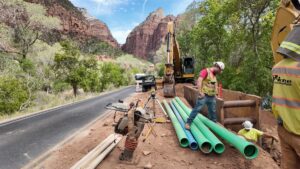
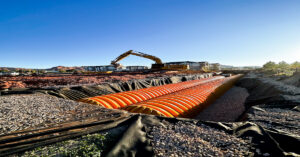
Grading is coordinated with drainage systems like French drains or surface grates for complete water management.
Soil and Terrain Considerations
Utah’s unique terrain and diverse soil types make professional grading a necessity, not an option.
- Terrain Challenges: From steep slopes to rocky ground, Utah’s landscapes require customized grading solutions. Managing elevation changes during grading is essential to improve water drainage, prevent pooling, and support plant health.
- Soil Composition: Clay-heavy or sandy soils affect compaction, water retention, and grading strategy. Proper grading promotes growth by preparing the land for healthy plant development. Landscape grading prepares a site for landscaping projects by removing topsoil and smoothing areas for planting, which supports plant growth by ensuring the soil is ready for new vegetation.
Learn more here at the Utah Division of Water Resources.
Regulatory and Engineering Guidelines
Grading isn’t just about moving earth — it must also comply with building regulations and engineering standards. Site grading plans must account for the location of utility lines to avoid damage during construction and ensure safe integration into the overall site plan. Architectural grading is especially important for commercial property, as it ensures proper drainage and structural stability before building construction begins. Additionally, site grading must comply with local rules, restrictions, and regulations to ensure safety and effectiveness.
- Local Ordinances: Each municipality has specific rules governing site grading and stormwater management.
- Building Codes: All grading work must adhere to national standards such as those outlined by the International Code Council.
Site Grading Equipment Used
We use industry-leading tools and heavy machinery to ensure grading is completed with precision and efficiency. Heavy machinery like bulldozers, wheel tractor-scrapers, and graders are commonly used in the grading process. Modern grading techniques, such as GPS advancements, drastically speed up grading processes, improving efficiency and accuracy. Intelligent compaction techniques can reduce compaction-related costs by up to 25% by minimizing the number of required passes.
- Laser Levels & GPS Systems: Provide millimeter-level accuracy for elevation control.
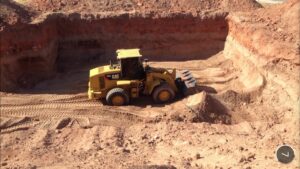
- Bulldozers, Motor Graders & Wheel Tractor Scrapers: Shape the landscape quickly and consistently, with motor graders and wheel tractor scrapers being essential for achieving proper site elevation, slope, and surface leveling.
- Skid Steers & Compactors: Tackle fine-tuning and compaction in tight spaces.
Grading for Residential vs. Commercial Projects
While the fundamentals of grading remain consistent, the scale and strategy differ based on project type.
- Residential Grading: Focused on smaller lots with quicker timelines and compact equipment. Small projects, such as landscaping projects, also benefit from proper grading to ensure effective drainage and optimal conditions for planting or sodding.
- Commercial Grading: Requires larger crews, detailed drainage engineering, and more complex elevation work. Large projects such as commercial real estate development and housing development require extensive grading to establish proper land elevation, drainage, and foundation preparation. Precision grading can complete tasks in hours that traditionally took days, significantly accelerating project schedules.
Explore our full services in Residential Land Development and Commercial Excavation.
Final Grading and Inspection
Final grading and inspection mark the last critical steps in the grading process before construction officially begins. During final grading, the construction team meticulously fine-tunes the site, removing any remaining debris and smoothing out the surface to meet precise project specifications. This stage ensures that the land is not only level but also properly contoured to direct water away from the building site, minimizing the risk of drainage issues and uneven surfaces.
A comprehensive inspection follows, where experts assess the site grading to confirm that all requirements have been met. This includes checking for proper slopes, verifying that no low spots remain, and ensuring the site is free from potential hazards. Addressing any issues at this stage prevents future complications and sets the stage for a smooth construction process. Final grading and inspection are essential for delivering a safe, stable, and construction-ready site.
Cost and Factors Affecting Grading
The cost of grading can vary significantly based on several key factors. The size and complexity of the construction project play a major role, as larger or more intricate sites require more time, labor, and resources. The type of soil present on the site can also impact costs, with rocky or unstable soils often necessitating specialized equipment or additional stabilization measures. Heavy machinery, such as bulldozers and graders, may be required for extensive earthmoving, further influencing the overall expense.
Other considerations include the need for a detailed grading plan, the extent of cut-and-fill operations, and the potential for unforeseen challenges like improper grading or hidden structural problems. Investing in proper grading from the outset helps avoid costly repairs and delays later in the project. By working with experienced professionals and following a well-designed grading plan, construction projects can control costs, maintain schedules, and ensure a strong foundation for the finished structure.
Site Grading Safety
Safety is paramount during the site grading process, as it involves the use of heavy machinery and the movement of large volumes of soil. Ensuring site grading safety starts with proper training for all construction workers and strict adherence to safety protocols. Operators must be skilled in handling equipment such as excavators, bulldozers, and compactors, and all personnel should be equipped with appropriate protective gear.
The grading process also requires careful management of excavation, filling, and soil compaction to prevent accidents and maintain site stability. Regular inspections help identify and address potential hazards, such as unstable slopes, drainage issues, or erosion risks. By prioritizing safety throughout the grading process, construction teams can protect workers, prevent costly incidents, and ensure that the site remains secure and compliant with industry standards. A safe site is the foundation of a successful construction project.
Common Grading Mistakes to Avoid
Skipping or mishandling site grading can lead to serious consequences:
Final touches in site grading, such as removing debris and ensuring a smooth surface, are essential steps that should not be overlooked. Proper grading not only ensures stability and drainage but also improves the aesthetics of a construction site by creating a smooth and visually appealing surface.
Improper grading can result in poor drainage, soil erosion, and uneven foundations, which may compromise the integrity of the entire project. Neglecting to achieve a smooth surface or skipping the final touches can also make the site look unfinished and unprofessional.
Improper Slope
Water flows back toward the structure, leading to foundation damage.
Overgrading
Removing too much soil can cause instability and increase backfill costs.
Ignoring Drainage Plans
Poor water flow planning can lead to erosion, water intrusion, and long-term damage.
Timeline Mismanagement
Grading must occur after site clearing but before any construction or paving to prevent delays and rework.
Read our related blog: Over-Excavation Explained
Conclusion
Proper site grading is the foundation of a safe, successful, and long-lasting construction project. Construction grading is essential not only for buildings but also for outdoor areas, ensuring safety, proper drainage, and aesthetic appeal. It safeguards against structural damage, supports efficient drainage, and ensures compliance with engineering and legal standards. Effective grading also reduces the environmental impact of construction by managing water runoff and minimizing pollutants.
For accurate, efficient, and code-compliant grading, trust the experts at Prime Excavating.
Get Started Today
Contact us for a free estimate or learn more on our Site Grading Service Page.