Excavation and digging are fundamental earth-moving processes that form the backbone of every construction project, from building foundations to utility installations. While often used interchangeably, these terms represent distinct approaches to moving soil and other materials based on project scale, equipment requirements, and engineering purposes.
Understanding the key differences between excavation and digging helps contractors, project managers, and property owners select appropriate methods, equipment, and safety protocols for their specific needs.
What This Guide Covers
This comprehensive guide covers excavation types for major construction projects, manual digging techniques for smaller scale projects, equipment selection criteria, safety protocols for deep trenches, and step-by-step project planning processes. We focus on practical applications rather than theoretical concepts, providing actionable guidance for real-world construction sites.
Who This Is For
This guide is designed for construction contractors planning site preparation, project managers overseeing engineering projects, homeowners considering basement excavation or utility installations, and construction students learning fundamental earth-moving processes. Whether you’re managing large scale process operations or installing fence posts, you’ll find specific guidance tailored to your project’s requirements.
Why This Matters
Proper excavation and digging prevent foundation problems, ensure worker safety around excavated areas, and avoid costly utility strikes that can delay construction projects for weeks. Poor planning leads to structural failures, safety incidents, and budget overruns that affect project profitability and timeline.
What You’ll Learn:
- Distinguish between excavation for construction or engineering purposes and basic digging applications
- Select appropriate equipment from hand tools to heavy machinery based on project scale
- Follow safety protocols for trench excavation and deep excavation work
- Plan excavation projects that require careful planning and regulatory compliance
Understanding Excavation and Digging Fundamentals
Excavation refers to large scale process operations involving heavy equipment to remove soil and other materials for construction or engineering purposes, typically measuring material movement in cubic yards. This includes foundation excavation, utility line installation, and road construction projects that require precise tolerances and engineered specifications.
Digging encompasses smaller scale projects using manual labor and hand tools to move earth measured in cubic feet, primarily for landscaping, planting trees, or installing fence posts. While both processes involve moving soil and removing earth, the scale, equipment, and regulatory requirements differ significantly.
Understanding these distinctions matters for accurate project planning, budget estimation, and selecting qualified excavation services with a proven track record in your specific project type.
Scale and Scope Differences
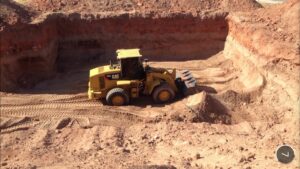
Excavation involves moving large quantities of earth using excavators, bulldozers, and other heavy machinery to create building foundations, dig trenches for utility lines, or prepare construction sites. These operations typically remove hundreds or thousands of cubic yards of materials and require engineering analysis for ensuring stability.
Manual digging handles smaller scale operations using basic tool sets like shovels and spades for creating holes, planting flowers, or installing irrigation systems. The volume rarely exceeds several cubic yards, making it suitable for homeowner projects and landscaping applications.
This connects to project planning because excavation requires permits, utility marking, and professional contractors, while manual digging can often proceed with minimal regulatory oversight.
Purpose and Application Context
Excavation supports major construction projects including basement excavation for multi-story buildings, footing excavation for structural foundations, and trench excavation for electrical cables and water systems. These projects must meet building codes and engineering specifications for load-bearing capacity and drainage.
Digging helps with landscaping projects like planting trees, garden preparation, and minor utility connections that don’t require structural analysis. Building on scale differences, the purpose determines whether you need heavy equipment operators or can complete work with manual labor.
Transition: Understanding these fundamental differences guides equipment selection and project methodology for specific construction applications.
Types of Excavation and Digging Methods
Different construction projects require specific excavation approaches based on soil conditions, depth requirements, and the intended use of excavated areas.
Construction Excavation Types
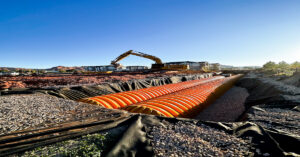
Foundation excavation creates precise depressions for building foundations and other structures, requiring exact dimensions and proper drainage to prevent water flow issues. This type demands careful planning to achieve specified depths while maintaining ground level stability around the excavation perimeter.
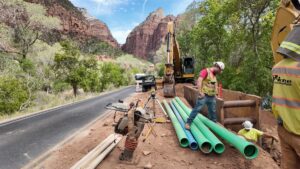
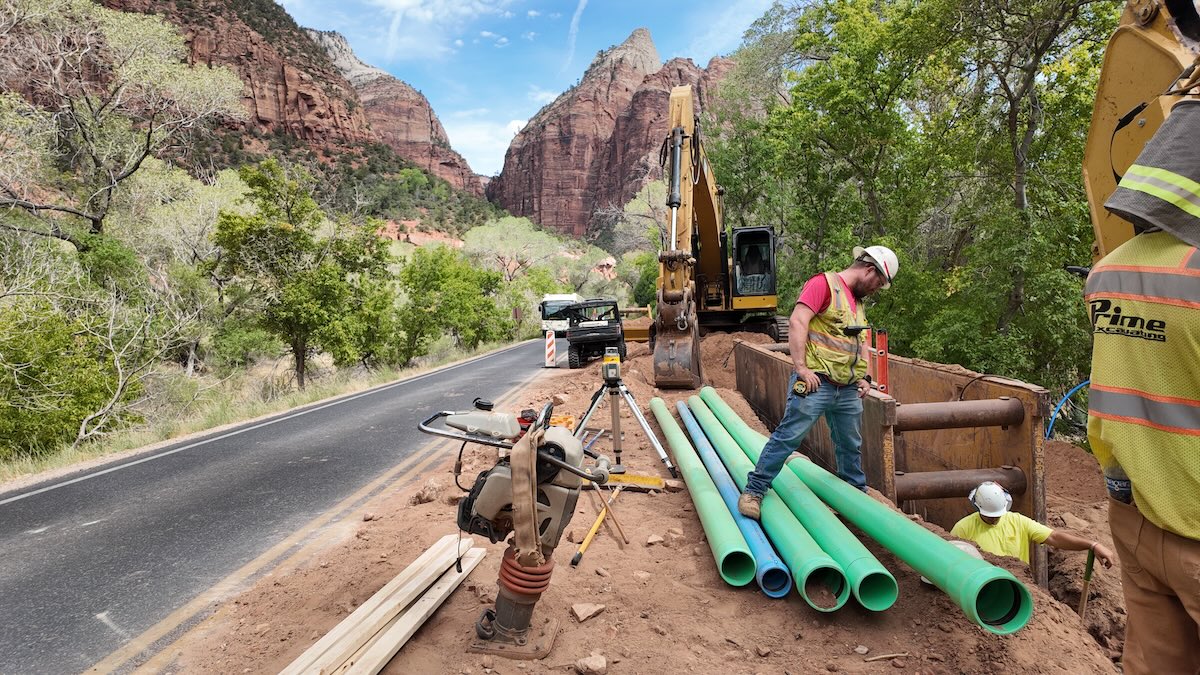
Utility excavation involves creating trenches for water lines, electrical cables, and sewer systems that connect buildings to municipal infrastructure. These operations often require working around existing utility lines and coordinating with multiple contractors on busy construction sites.
Roadway excavation removes soil and materials for highway construction, requiring precise grading to ensure proper drainage and support for construction materials like asphalt and concrete. Connection to building codes requires meeting specific compaction and material specifications.
Specialized Excavation Applications
Rock excavation requires heavy machinery with hydraulic breakers or controlled blasting techniques to remove bedrock and large boulders that obstruct foundation work. Unlike standard earth excavation, this process involves specialized equipment, vibration monitoring, and strict safety protocols.
Dredging operations remove accumulated sediments from waterways, harbors, and drainage channels to maintain proper water flow and navigation depth. This specialized work requires environmental permits and contaminated soil handling procedures.
Environmental excavation addresses contaminated soil removal from industrial sites, requiring specialized handling, testing, and disposal methods that exceed normal construction safety protocols.
Common Digging Applications
Landscaping projects include preparing garden beds, planting trees, and installing irrigation systems using hand tools and compact equipment. These smaller scale projects focus on soil preparation rather than structural support.
Fence post installation requires creating holes at specific intervals and depths, typically accomplished with post-hole diggers or small auger equipment rather than heavy machinery.
Drainage improvements involve creating shallow trenches and swales to direct water flow away from structures, requiring precise grading but minimal depth compared to major excavation work.
Key Points:
- Construction excavation requires permits and engineering oversight
- Specialized applications need environmental compliance and safety protocols
- Digging projects can often proceed with basic permits and manual labor
Transition: Selecting appropriate equipment and methods depends on matching these excavation types to your specific project requirements.
Equipment Selection and Step-by-Step Processes
Equipment selection for excavation and digging projects depends on soil conditions, access constraints, depth requirements, and safety considerations that vary significantly between construction sites.
Step-by-Step: Planning an Excavation Project
When to use this: For foundation work, utility installation, or major site preparation requiring heavy equipment and permits.
- Contact Utility Services: Call 811 for underground utility marking 48-72 hours before excavation begins to prevent strikes on electrical cables, gas lines, and water systems.
- Conduct Site Analysis: Perform soil testing and topographic surveys to identify ground conditions, water table levels, and access routes for heavy machinery.
- Select Equipment: Choose excavators, backhoes, or specialized equipment based on soil type, required depth, and site accessibility for heavy equipment operations.
- Execute Excavation: Follow safety protocols for trench excavation, implement soil stabilization measures, and maintain proper slopes for ensuring stability throughout the construction process.
Comparison: Hand Digging vs Machine Excavation
| Feature | Manual Digging | Machine Excavation |
| Cost | Lower initial cost, higher labor expense | Higher equipment cost, lower labor needs |
| Speed | Slow completion, suitable for small areas | Rapid earth moving, handles large quantities |
| Precision | Exact control around utility lines | Less precise, requires buffer zones |
| Depth | Limited to shallow trenches (under 4 feet) | Handles deep trenches and basement excavation |
| Soil Types | Works well in soft soil and clay | Handles rocky ground and hard-packed materials |
Hand digging excels for projects near existing utility lines where precision prevents damage, while machine excavation provides efficiency for major construction projects with adequate site access and clearance requirements.
Transition: Understanding common project challenges helps ensure successful excavation regardless of selected methods and equipment.
Common Challenges and Solutions
Successful excavation projects require anticipating and addressing typical obstacles that can delay construction timelines and increase costs.
Challenge 1: Unexpected Underground Utilities
Solution: Always contact utility marking services through 811 calls before any excavation begins, and use manual digging within 24 inches of marked lines.
Utility strikes cause service outages, safety hazards, and expensive repairs that can shut down entire construction sites for days or weeks while repairs are completed.
Challenge 2: Poor Soil Conditions and Water Issues
Solution: Install dewatering systems for high water tables and add soil stabilization measures like benching or shoring for unstable ground conditions.
Plan excavation timing around seasonal factors, avoiding frozen ground in winter and excessive moisture during spring thaw that complicates heavy equipment operation and soil stability.
Challenge 3: Limited Site Access for Heavy Equipment
Solution: Use compact excavators for restricted areas or plan alternative access routes that accommodate equipment delivery and operation requirements.
Break large excavation projects into phases that work within site constraints, coordinating equipment scheduling with other construction activities to maximize efficiency.
Transition: These practical solutions help ensure excavation projects proceed safely and efficiently toward successful completion.
Conclusion and Next Steps
Successful excavation and digging requires matching project scale to appropriate methods, selecting suitable equipment for site conditions, and following safety protocols that protect workers and surrounding structures. Proper planning prevents costly mistakes, ensures regulatory compliance, and delivers projects on schedule.
To get started:
- Contact local utility marking services (811) and obtain required permits for your project scope
- Consult with excavation services that have a proven track record in your specific project type
- Develop detailed site plans that address soil conditions, drainage requirements, and equipment access
Related Topics: Consider exploring soil testing procedures for foundation design, drainage system installation for long-term site stability, and construction material selection that complements your excavation plans.